
The Failure of Escape
American PsychoThis flow traces Bateman's attempts to escape through travel, nightlife, drugs, work, and disappearance, each returning him to the same closed identity.
increasing Bearing strength in each event
 decreasing
Bearing strength in each eventdecreasingNightlife Escape
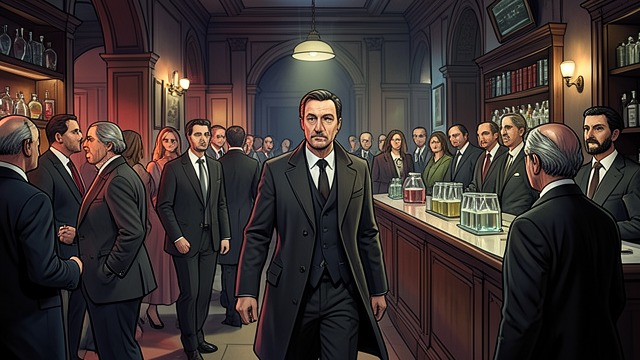
Nightlife Escape
Continuous Motion
Bateman moves from restaurant to club to limousine, refusing stillness.
Repetition
Every new venue reproduces the same people, products, and conversations.
Significance
Movement becomes a method of avoiding self-recognition rather than finding freedom.
Drug Escape

Drug Escape
Chemical Relief
Cocaine, Valium, Halcion, and alcohol temporarily interrupt anxiety and boredom.
Rebound
Each relief produces greater confusion, insomnia, and dependence.
Significance
Escape becomes another system of consumption that ultimately strengthens imprisonment.
Hamptons Escape

Hamptons Escape
Geographic Removal
Bateman leaves Manhattan with Evelyn for a luxurious house in East Hampton.
Persistent Violence
He continues imagining weapons, mutilation, and death amid romantic scenery.
Significance
The mind he tries to flee travels with him.
Aspen Departure
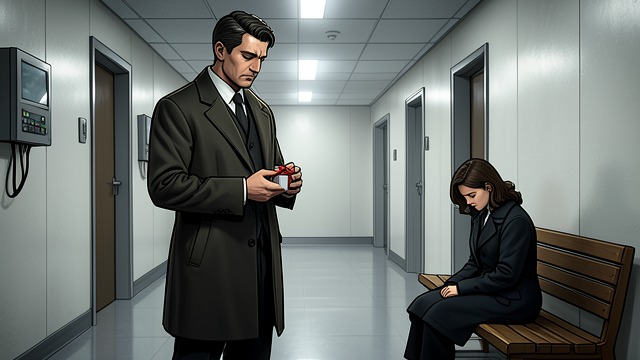
Aspen Departure
Aborted Future
Bateman arranges for Jeanette to undergo an abortion before leaving for Aspen.
Emotional Detachment
He frames the event as logistics and offers gifts instead of care.
Significance
Travel becomes a way to leave consequences behind without confronting them.
No Exit

No Exit
Return to Surface
Bateman remains among restaurants, offices, friends, and signs that promise no departure.
Closed Identity
Every attempted escape returns him to the same fabricated self.
Significance
The novel's final movement is circular: motion without transformation.
spring
late spring
August
four days before Christmas
end of the 1980s
